
Electric cars are seen as the future of mobility - but two hurdles are still holding back many potential buyers: long charging times and limited ranges. The solution could be high-voltage drive systems that work with voltages far above the 800 volts that are common today. The Fachhochschule Dortmund is working on this.
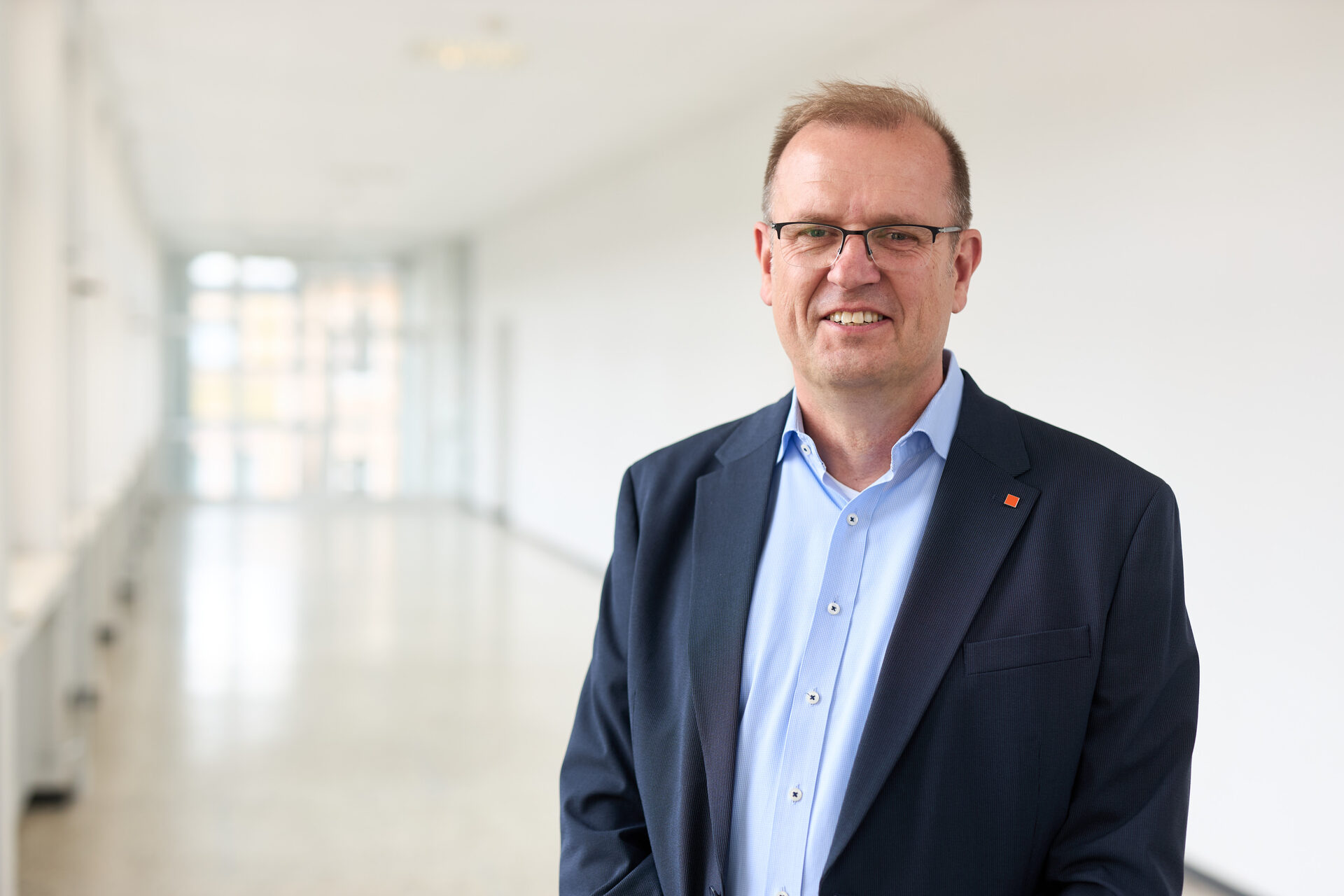
Under the direction of Prof. Dr. Markus Thoben, the Faculty of Mechanical Engineering is playing a key role in the EU research project ODYSSEV. ODYSSEV stands for "Optimized DYnamics of High-Voltage Powertrains: Developing Sustainable Systems for Electric Vehicles". The project aims to promote the use of high-voltage technologies in electric cars and define safe standards. It is scheduled to run for 42 months, is funded by the EU's Horizon Europe program via the 2ZERO Partnership and started at the beginning of 2026 with a kick-off at the Spanish CIRCE Institute in Zaragoza.
The physics behind the innovation
To understand why high-voltage technology is so crucial, a simple comparison helps: electricity flows through a cable in a similar way to water flowing through a hose. There are two ways to transmit more "power" - either a larger hose (thicker cable and more current) or higher pressure (higher voltage). High-voltage systems rely on the second option. They enable ultra-fast charging, for example, and still only require thinner cables, which saves weight and costs. They also generate less waste heat, so less energy is lost.
However, the leap to higher voltages is technically challenging: at over 1000 volts, the demands on insulation materials increase drastically, conventional silicon semiconductors reach their limits and batteries have to cope with the massive influx of energy during fast charging without overheating. This is precisely where ODYSSEV comes in.
14 partners from eight countries - Fachhochschule Dortmund as system architect
The project brings together 14 research institutions and companies from eight European countries - including University College London, the University of Bremen, the KTH Royal Institute of Technology in Sweden and industrial partners such as Mitsubishi Electric Europe and ZF Friedrichshafen.
Fachhochschule Dortmund is playing a key role and leading the system architecture work package. "With ODYSSEV, we are taking the next logical step in electromobility," explains Prof. Dr. Markus Thoben. "High-voltage technologies beyond 800 volts not only enable dramatically shorter charging times, but also lighter vehicles thanks to thinner cables and higher overall efficiency due to reduced energy losses. This makes electric cars more suitable for everyday use and more attractive to a broad range of buyers."
From simulation to the test track
What is special about ODYSSEV is that the project covers the entire development chain - from innovative semiconductors and high-performance power modules through to integration in key components such as on-board chargers and traction inverters. In addition, an electric motor specially designed for this high-voltage architecture is being developed which, together with a reconfigurable battery pack, forms the basis for a highly efficient and scalable drive system.
Fachhochschule Dortmund is supporting the project partners with everything from simulation-based design to innovative cloud integration. "Our task is to orchestrate the complex interaction of all components and accelerate the development processes using digital methods," explains Seyed Saeed Mirsafian, research associate in the project. "We are using our expertise in modelling and simulation to optimize on the computer what will later have to work on the road. This saves time and money and makes it possible to run through various scenarios before the first prototype is built." The project will conclude with the testing of the developed demonstrator on the LaSiSe test track in Selm.
Successful start in Spain
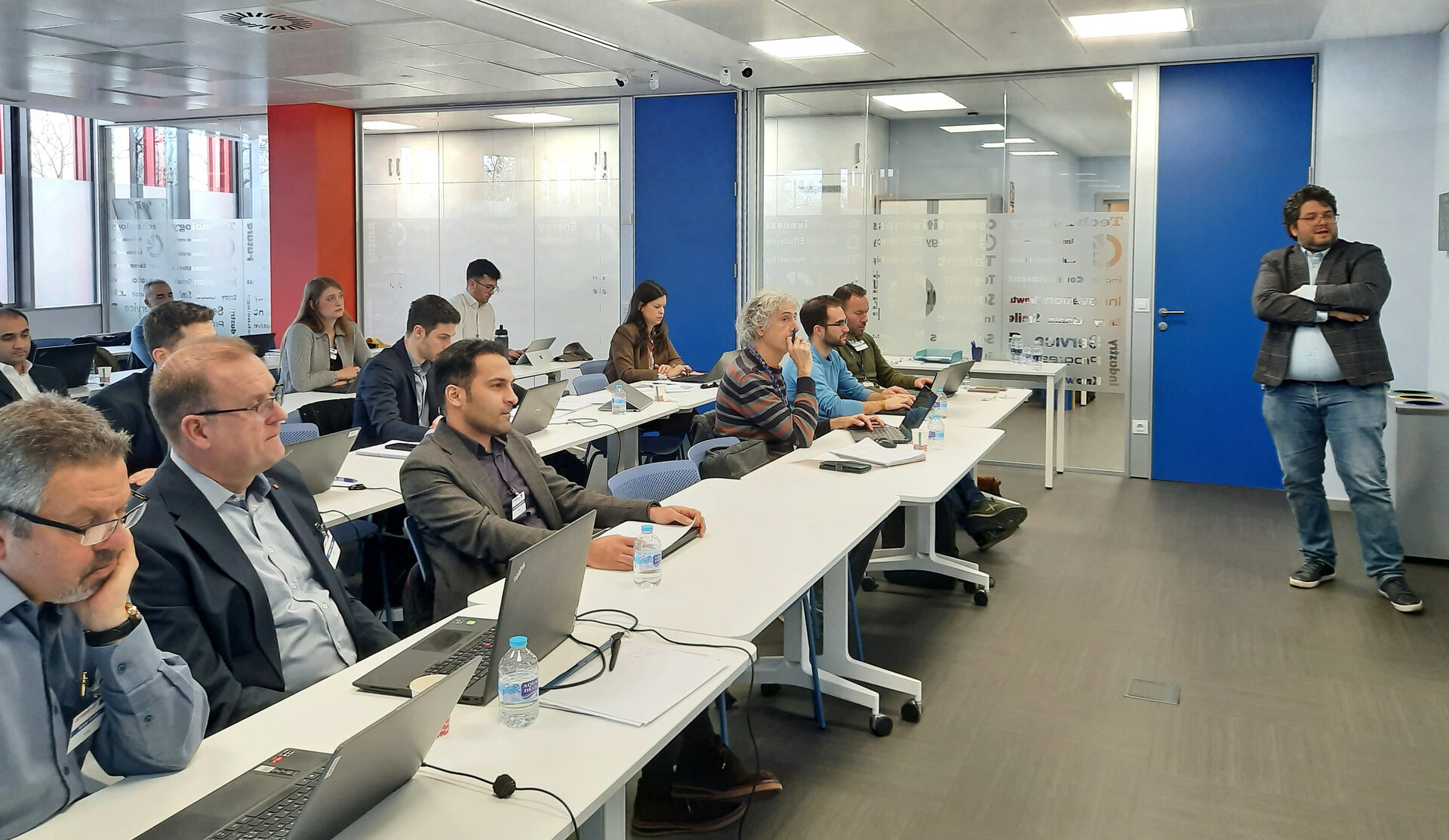
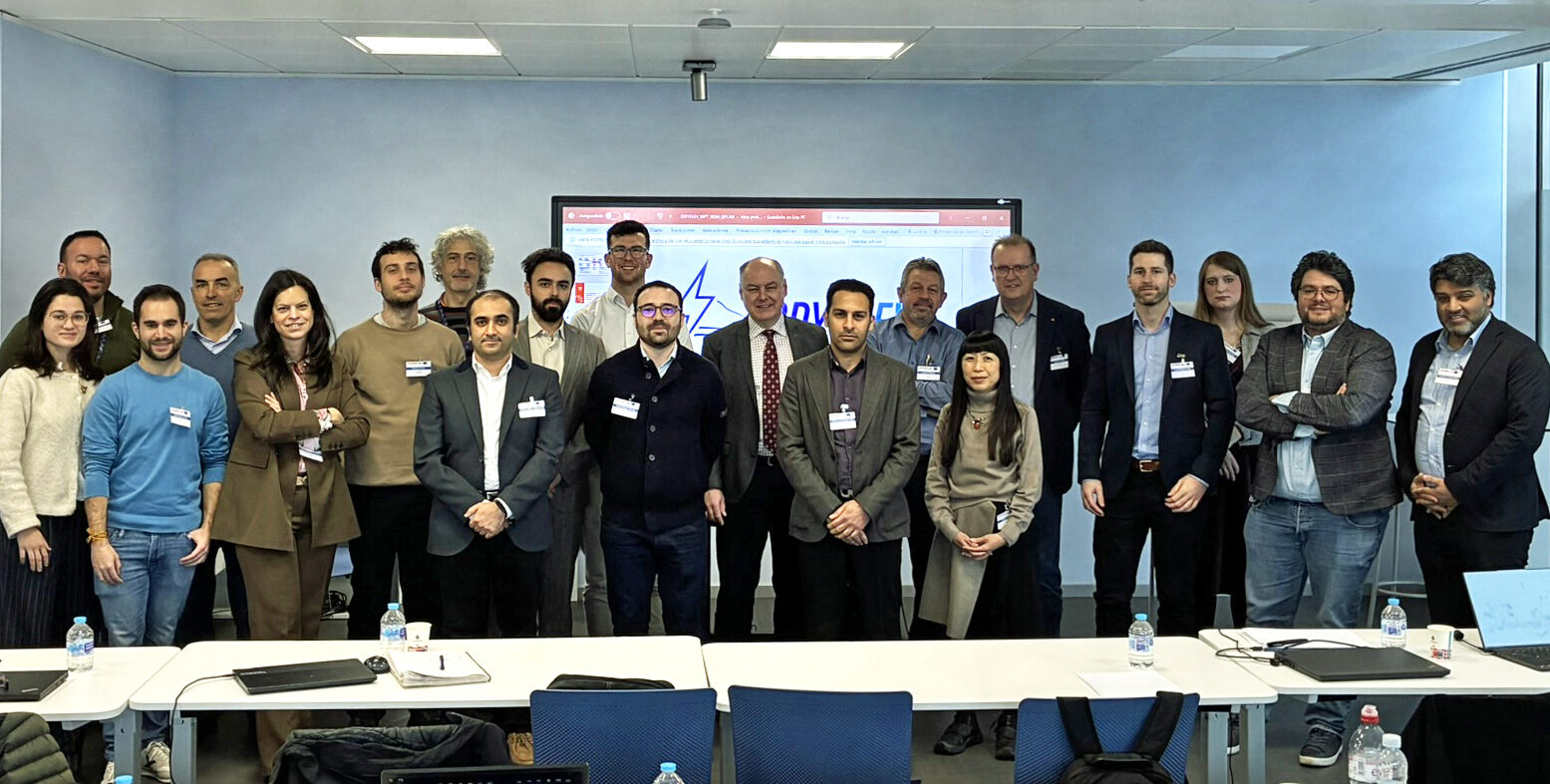
At the kick-off meeting on January 28 in Zaragoza, João Duarte Carrilho Miranda from the European Climate, Infrastructure and Environment Executive Agency presented the European Commission's expectations of the project. All 14 project partners then presented their respective work packages. Prof. Dr. Markus Thoben, as Work Package Leader, presented the overarching work plan, followed by Seyed Saeed Mirsafian, who explained the specific tasks of Fachhochschule Dortmund. In addition to the two face-to-face participants, Marcus Ingenfeld, EU Coordinator at Fachhochschule Dortmund, was also connected online. The event concluded with a tour of the CIRCE Institute's laboratories.
The project is part of a strategic EU initiative to secure Europe a leading technological position in e-drives and to achieve the climate targets in the transport sector. The next coordination meeting of the ODYSSEV project partners is planned for June 2026 at Fachhochschule Dortmund.