
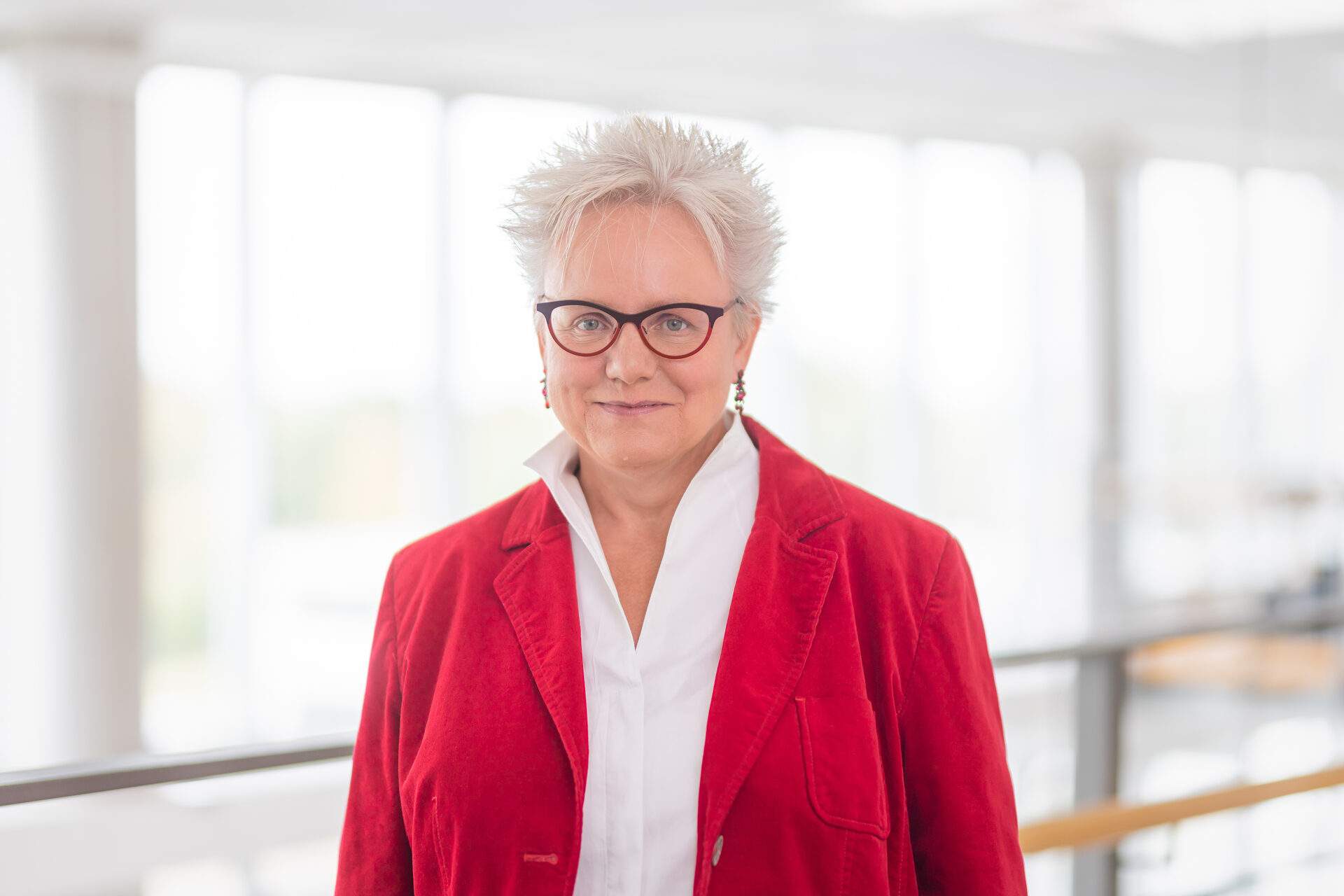
The discussion about the possible decriminalization of fare dodging is a controversial issue throughout Germany. In the WDR 5 "Tagesgespräch"(Opens in a new tab) interview, Prof. Dr. Christine Graebsch from Fachhochschule Dortmund warns against putting poor people at an additional disadvantage through criminal law and pleads for more socially just solutions.
The criminologist drew attention to a fundamental problem: the current law primarily affects people who are already in difficult circumstances. It is not about people who deliberately and out of calculation break the rules. Rather, the people affected are often those who simply cannot afford tickets and who are struggling with other burdens, such as homelessness, addiction or mental health problems. It is precisely this group of people who are excessively burdened by the current rules.
By comparison, anyone who regularly parks their Porsche in a disabled parking space would have to expect a fine and would then pay it. However, this would not be noted in the criminal record, according to Prof. Graebsch. Fare evasion is different: if a person is fined twice for driving without a ticket, this could appear on their criminal record.

At the same time, the expert referred to the high costs for the judiciary and law enforcement. Prof. Graebsch said on the show that the effort involved in fare evasion proceedings ties up resources that could be put to better use elsewhere.
Prof. Graebsch reacted with scepticism to the idea expressed in conversation with listeners of simply "working off" the penalty. Although there are, in principle, ways to pay off fines through work, people who end up in prison for fare evasion are often unable to reliably implement such models. There is often a lack of stability, organizational possibilities or even knowledge of such offers. In addition, those affected have to take action themselves, which is an additional hurdle for many in precarious living conditions.
In the view of the criminal law expert, the core problem is therefore not a supposedly too lenient treatment, but an inappropriate response by the state to social need. Instead of prosecuting poor people with criminal law, she advocates other solutions, such as more accessible or even free public transport. In her view, this would not only be more socially just, but would also contribute to greater climate protection and social participation.