

Together with the International Association for Educational Support (IGfH), the Fachhochschule Dortmund is launching the practical research project "ElSe" (Parent Self-Organization). The aim is to systematically network and strengthen parents of children in educational support. The project is funded by the Federal Ministry of Education, Family Affairs, Senior Citizens, Women and Youth and runs until December 2026.
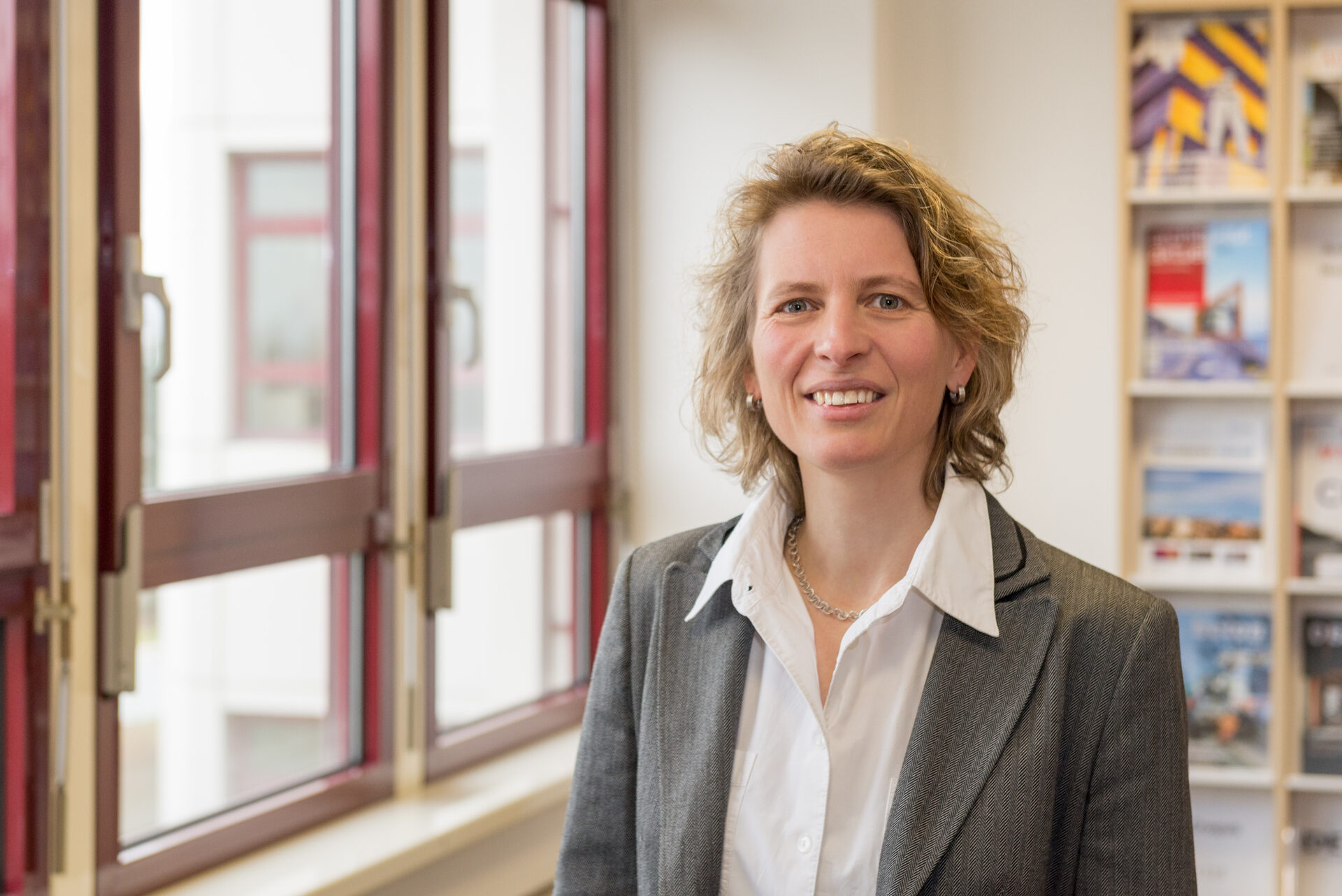
The Child and Youth Strengthening Act of 2021 enshrined the funding of self-representation structures for young people and parents as a central component of participatory child and youth welfare. "However, although there is a legal mandate, there is a complete lack of structural support services for the development of self-organizations for parents in educational support - with a few exceptions," says Prof. Dr. Nicole Knuth. She teaches at the Faculty of Applied Social Studies at the UAS and heads the project.
Hearing at the Federal Ministry makes needs clear
Parents whose children receive educational support face a variety of challenges. For example, children are sometimes placed far away from home, making it almost impossible to maintain contact. Rigid visiting rules also sometimes make contact difficult. Yet parents are still an important figure in their children's lives. There is often a lack of comprehensible information about parental rights and contact persons are difficult to reach. "Parents therefore want exchange and support in order to share their experiences, make their perspectives visible and be able to assert their rights," says Prof. Knuth.
The urgency became clear at a hearing at the Federal Ministry for Family Affairs at the end of January. Various stakeholders from the child and youth welfare sector had their say there - including, for the first time, a group of parents who will be participating in the ElSe project. They underlined the central demand for structural support and Funding for parents' self-organizations.
Parents as experts in their own cause
The ElSe project now has the task of developing these self-representation structures. Prof. Knuth and his team are pursuing a participatory approach: parent self-organizations are being set up at four model locations in Düsseldorf, Berlin, Böblingen and Dresden and their development is being supported by experts. The four locations reflect different approaches: In Berlin and Düsseldorf, the self-organizations are linked to large independent youth welfare organizations. In Dresden, the project cooperates with an ombudsman's office, while in Böblingen, the district youth welfare office supports the development as a public body.
"We want to systematically involve parents as experts in their own cause in the further development of educational support," emphasizes Prof. Knuth. "It's about mutual empowerment in an often difficult life situation as well as parents knowing their rights and being able to contribute their perspectives." The FH's scientific team will document, monitor and evaluate the processes at the model locations. "Based on our empirical results, we would like to develop impulses in a next step that contribute to strengthening participatory and inclusive structures in child and youth welfare," emphasizes Prof. Knuth. These can then serve as orientation for other youth welfare offices and agencies on how to successfully establish parent self-organizations.