

How can democracy be strengthened in times of social polarization, mounting pressure, and rapid technological upheaval? This question was the focus of this year’s “Conference of Social Responsibility” (CoSR) at Fachhochschule Dortmund, a networking event bringing together representatives from civil society, politics, academia, and the professional world.
“We cannot delegate democracy to AI,” stated Svenja Stepper, Chancellor of the Fachhochschule Dortmund, right at the outset. That is why networking at the CoSR is so important. “Open up, network, collaborate. As a university, we want to strengthen the discourse, get involved, and facilitate exchange,” the Chancellor emphasized. The conferences of recent years have successfully contributed to this and laid the foundation for active cooperation.
Prof. Dr. Dierk BorstelHuman dignity is inviolable. This is a call to revolt.
The highlight of the morning session was the presentation by Prof. Dierk Borstel. He teaches practice-oriented political science at Fachhochschule Dortmund and has been providing counseling to local governments throughout Germany for decades. He cautioned against misinterpreting the creeping erosion of democracy as a series of isolated events. The “swing vote,” which once supported cosmopolitan majorities, is susceptible to nationalist tendencies when economic uncertainties and fears about social status take hold. “This has been thoroughly researched,” said Prof. Borstel.
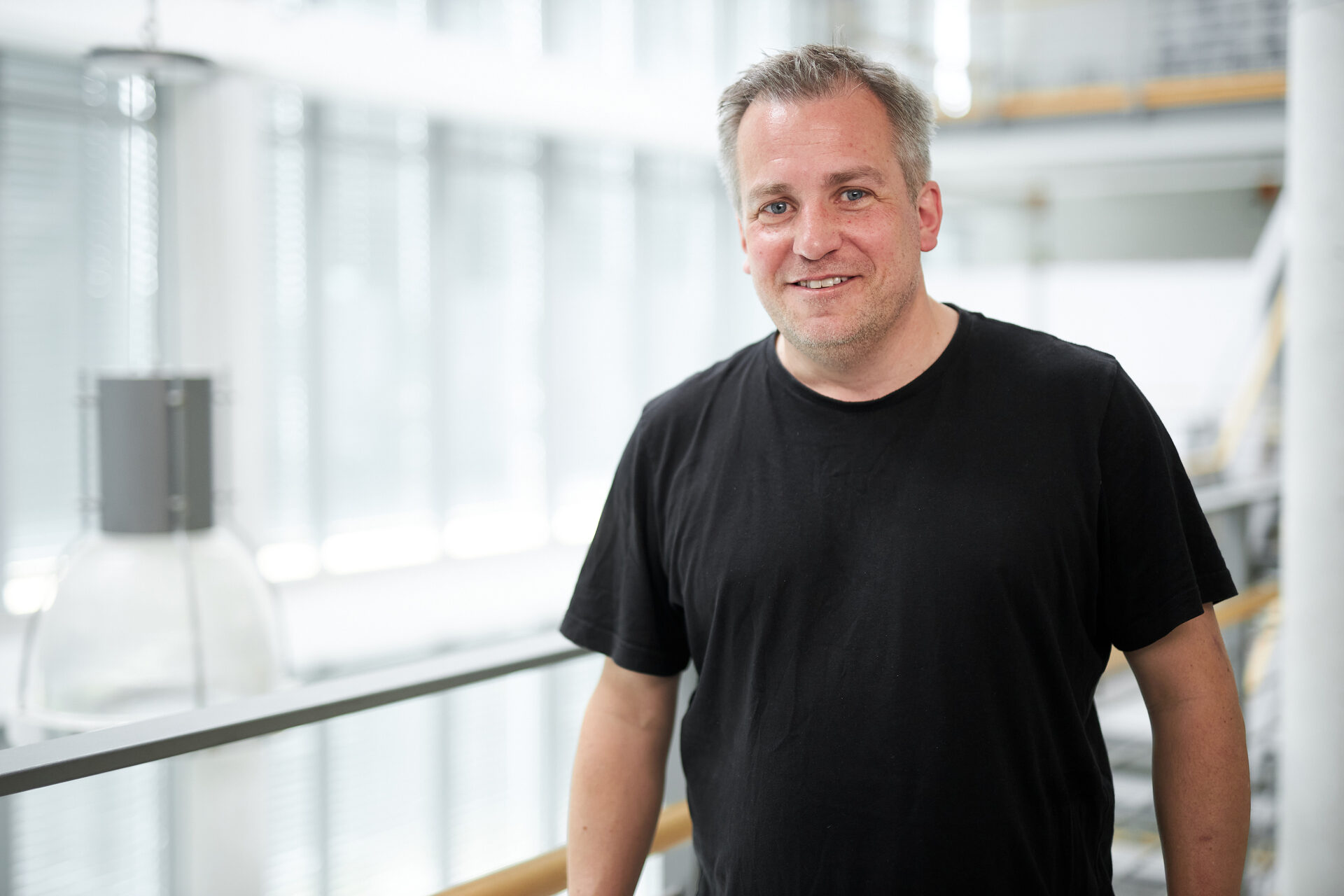
He traced these changes over the past few years: With Thilo Sarrazin’s book, misanthropic views became acceptable to voice within the safe space of a book reading. Pegida brought these views onto the streets, and the AfD brought them into the parliaments. “Today, you can say the same things the NPD used to say and still advance your career in society,” said Prof. Borstel. Taking a stand, on the other hand, now comes with social and economic costs.
Dierk Borstel called on people not to grow accustomed to social injustices and attacks on humanity: “Human dignity is inviolable. This is a call to revolt against hate, violence, and exclusion.” In this context, universities must act as protected yet transparent forums for discourse between academia, professional practice, and civil society.
Insights on Politics, Civic Engagement, and Artificial Intelligence
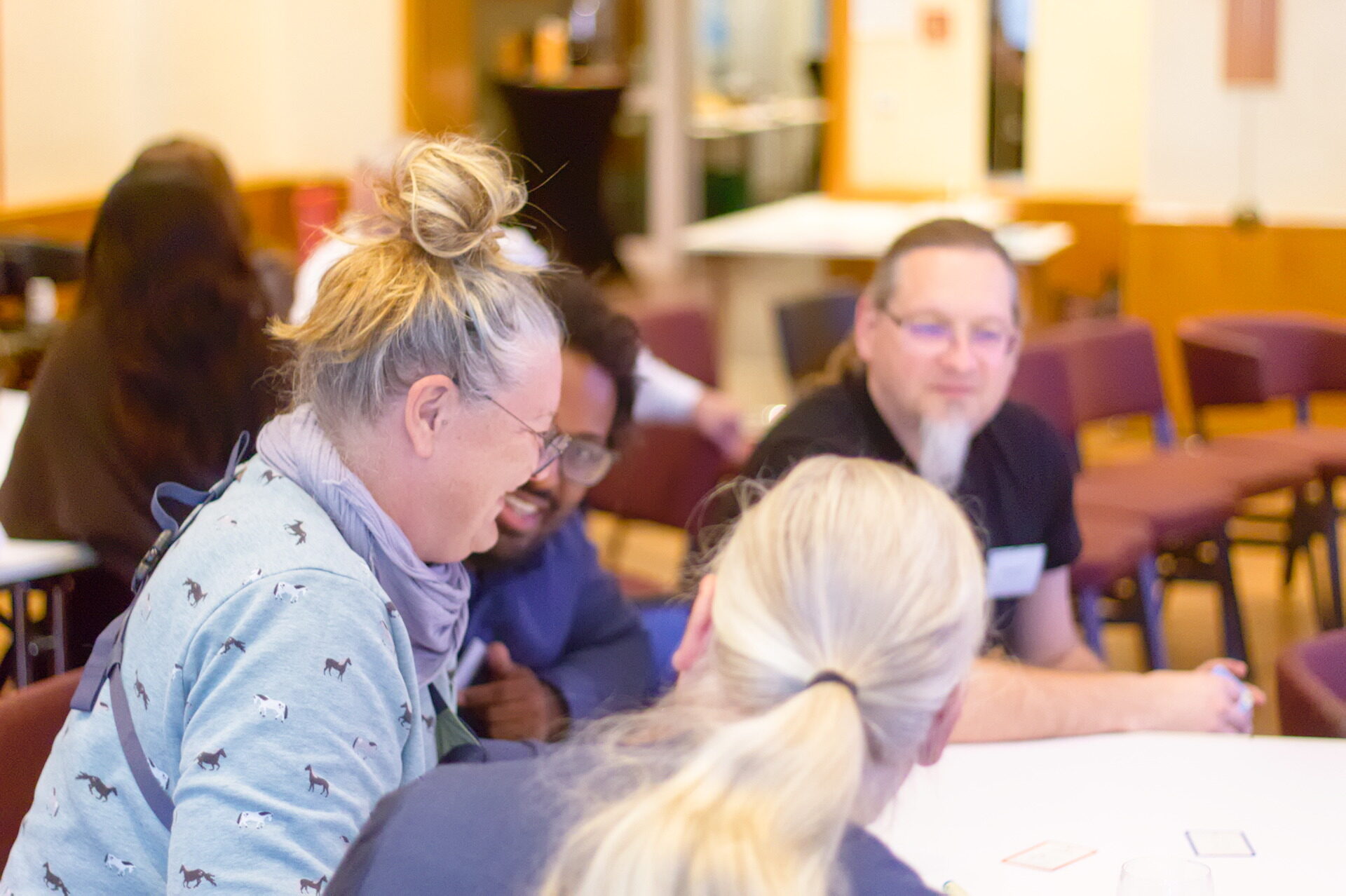
In addition to Prof. Borstel, Markus Kurth (former Member of the German Bundestag) highlighted in his presentation the shifting balance of roles between politics and academia in a “century of upheaval.” In addition, Karola Jaschewski (Dortmund Volunteer Agency), together with the Dortmund Economic Development Agency, provided a preview of the new matching platform “EngagementDO,” which aims to connect corporate engagement with projects focused on the common good.
In the afternoon, the Civic Data Lab (Jonas Stettner and Angela Berger) addressed the question of how artificial intelligence is transforming volunteer work and civil society organizations. Keynote speeches and workshops explored the opportunities and ethical risks of machine learning—always with the premise that technological innovations must serve social cohesion.
The Conference of Social Responsibility is organized by the Sustainability Office at the Fachhochschule Dortmund and took place for the fourth time this year.