

The four-year project “Global Transformation and Social Work Practice” has now come to a close with a conference at the University of KwaZulu-Natal (UKZN) in Durban, South Africa. In the eyes of the participating researchers from the Fachhochschule Dortmund, it was a milestone in several respects. An interview.
The project, funded by the German Academic Exchange Service ( DAAD)(Opens in a new tab) , not only spurred research but also greatly advanced mutual understanding and collaboration, according to Prof. Dr. Michael Boecker, Vice Rector for Research and Transfer, and Dorothee Boecker, both from the Faculty of Applied Social Studies.
What were the project's goals?
Michael Boecker: The DAAD partnership focused on the 17 Sustainable Development Goals(Opens in a new tab) , which represent an urgent call to action for all countries—both industrialized and developing—as a global partnership. The Goals emphasize that the eradication of poverty and other forms of deprivation must go hand in hand with strategies to improve health and education, reduce inequalities, and provide funding for economic growth.
Dorothee Boecker: The SDGs are consistent with the commitment of the Global Agenda for Social Work and Social Development (2020–2030) to jointly shape social and economic development. They also emphasize the importance of strengthening research capacities and networks to support the next generation of social work scholars, who are currently navigating a critical period of transition in higher education. As a human rights profession, social work is committed to upholding human dignity and strives to critically reflect on and transform unjust structures.
Michael Boecker: Current challenges—such as the impacts of natural and man-made disasters, wars, conflicts, and civil wars within and between countries—present new challenges for social work practitioners in the Global North and the Global South.
The unequal distribution of poverty and wealth leads to asymmetrical power relations, which are, not least, the legacy of colonialism and apartheid. This makes these 17 goals all the more important.
How did the project contribute to this?
Michael Boecker: We discussed the challenges in bachelor’s and master’s seminars at the partner universities, thereby fostering communication within the universities that extended beyond the participants of the symposia and conferences. The core of the DAAD project was funding early-career researchers, so that by the end of the funding period, we can look back on stable networks that extend far beyond the four partner universities and will endure over the long term.
The Four Partner Universities
What stands out most in your memory?
Dorothée Boecker: The shared experiences at the symposia and workshops will remain unforgettable. We were particularly moved by the personal and professional dedication of the participants. The combination of diverse initiatives and projects in countries of the Global South and the Global North has also set important priorities for the future, which we must now continue to build upon.
One example is the many prevention books in local languages, which make a significant contribution to HIV prevention, education about unintended teenage pregnancies, and much more. This collaboration will outlast the funding period and continue in both academic and volunteer contexts.
A fundamental concept in the countries of Southern Africa is “Ubuntu,” which loosely translates to “humanity—I am because we are.” It illustrates the deep connection between the individual and society. This philosophy has guided us and, in the context of the current trend toward an increasingly individualistic society, has prompted us to engage in critical reflection on the present.
How many students at the Fachhochschule Dortmund were involved in the project, and what did they take away from it?
Michael Boecker: More than 100 students from the Fachhochschule Dortmund were able to participate in the conferences, symposia, and workshops. Many have told me that they found their participation valuable and enriching—thanks to the exclusive scientific insights, the many meaningful and fruitful connections, and the on-site experiences in South Africa and Zimbabwe.
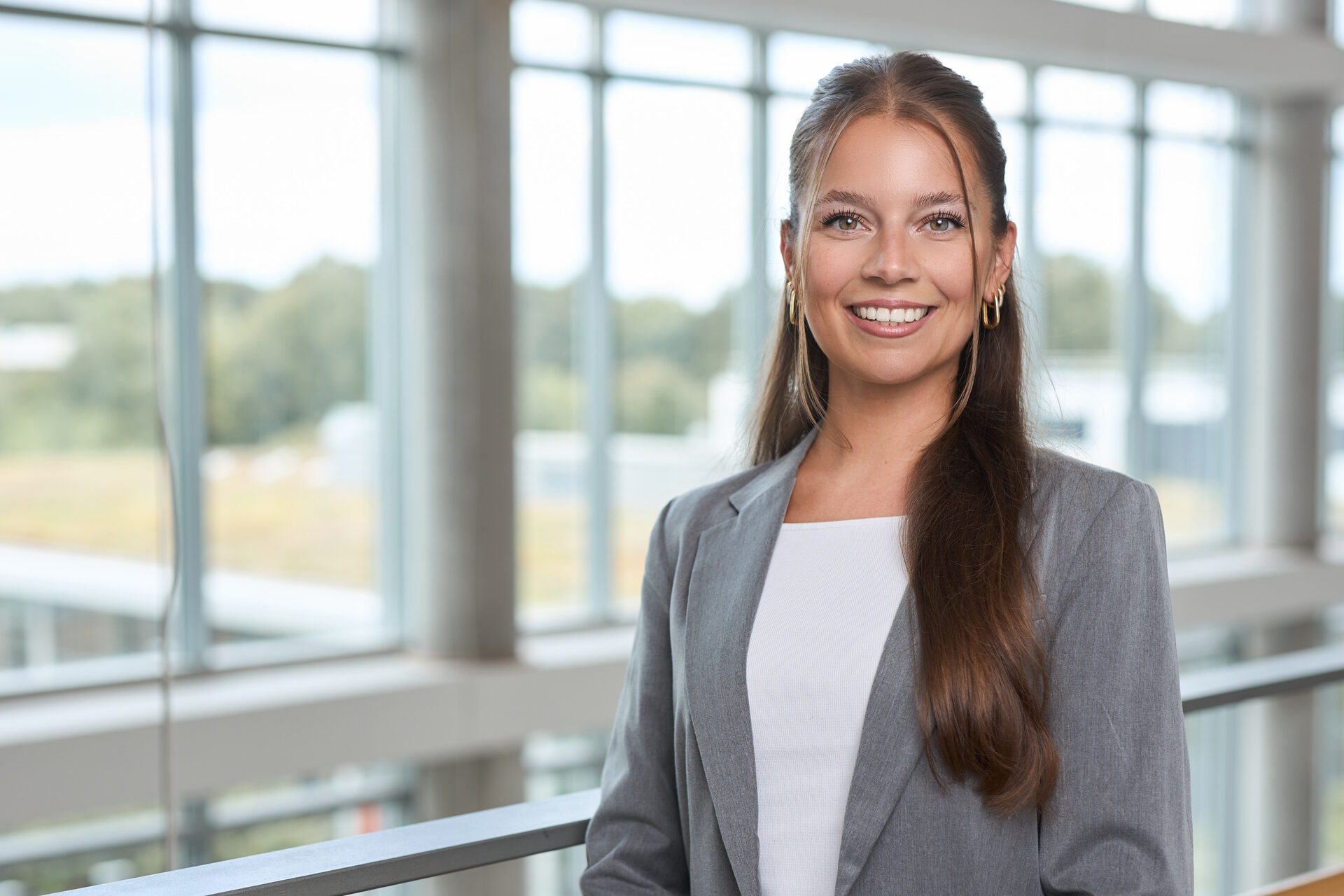
Summary by Ph.D. candidate Romina Maillaro
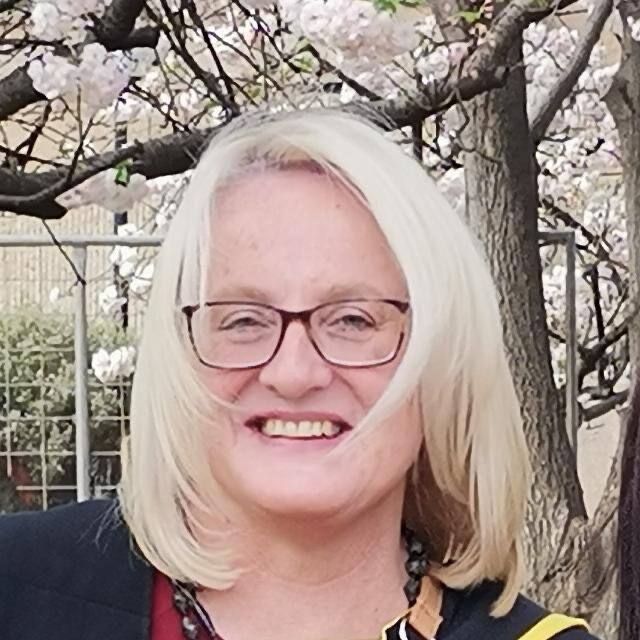
Summary by participant Tania Sani, Johannesburg (longer text, in English)
Is it going to continue?
Michael Boecker: The Federal Ministry for Economic Cooperation and Development plans to phase out nearly all of these university cooperation programs by 2031. Already this year, for example, highly sought-after SDG partnerships can no longer be put out for bids.
Dorothée Boecker: Nevertheless, these eight years—including the four-year predecessor project—have left a significant mark and shaped shared visions. We have created a network that extends far beyond the borders of South Africa, Zimbabwe, and Germany. A network of researchers who, despite coming from very different perspectives, all share a common vision: to positively transform people’s living conditions.
Michael Boecker: We are united by the vision that social work can make a difference. This applies both to individuals and groups, as well as to changing structural conditions to enable people to live in dignity and to contribute to social justice.
We are united by the vision that people are born into certain circumstances and cannot always determine their own happiness. This requires individual support and changes to the broader framework. Social work, when applied thoughtfully and purposefully, can alter the course of people’s lives.
We are united by the vision that the United Nations’ Sustainable Development Goals can serve as a compass for positively changing the world. We know that this is only possible through interdisciplinary and transdisciplinary approaches, and that hegemonic power relations play a major role.
We are united by the vision that, as researchers, we must serve as role models in order to remain articulate beyond geopolitical upheavals and to prepare future generations to powerfully shape our societies with purpose, purpose, and reason to powerfully help shape our societies and to advocate for the unrestricted dignity of all people.
Nelson Mandela said: “It is in your hands to create a better world for all who live in it.” We agree with him.