


About the project
EMULATE develops concepts and solutions for measuring, analyzing and optimizing the performance of edge services in the European cloud-edge continuum.

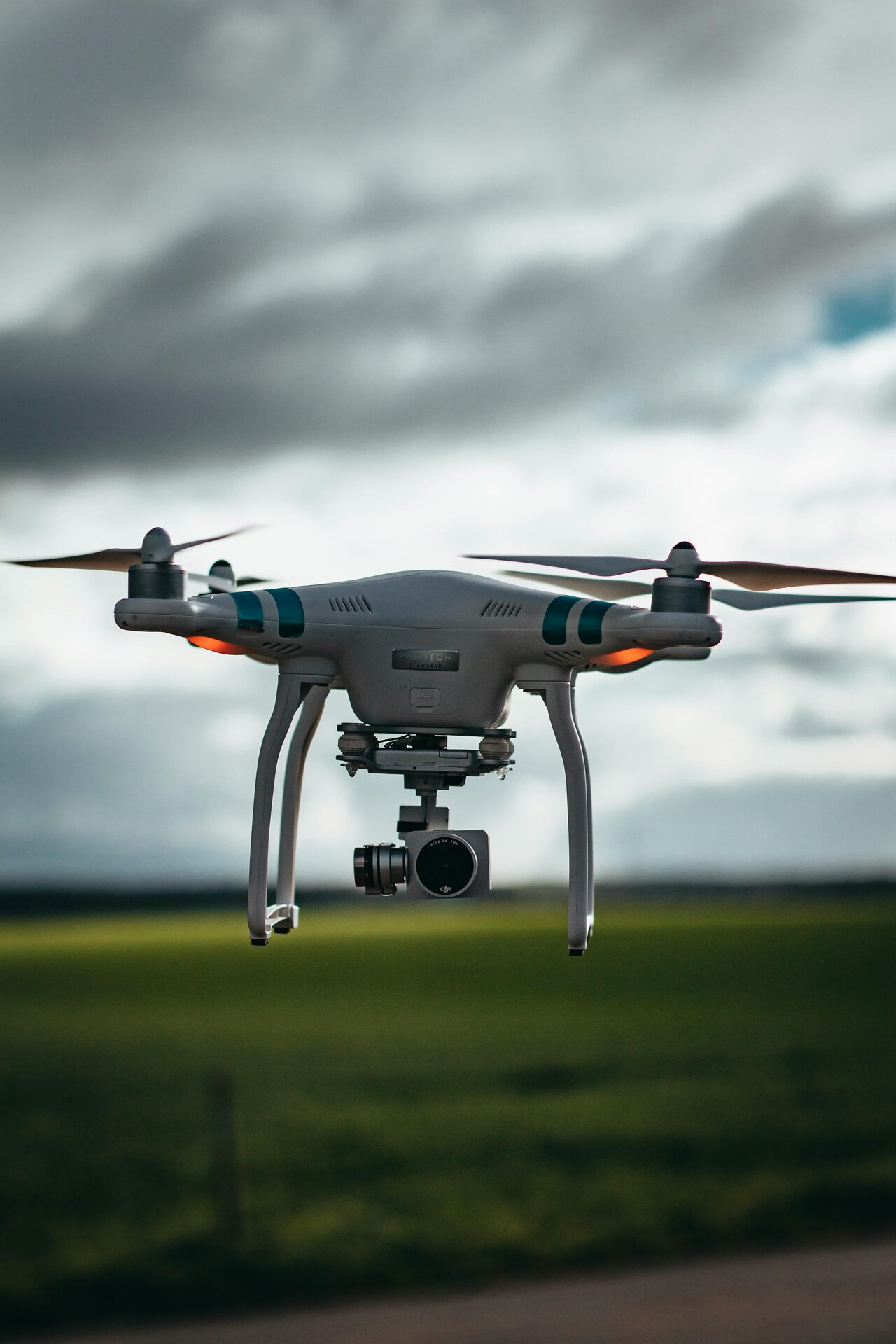
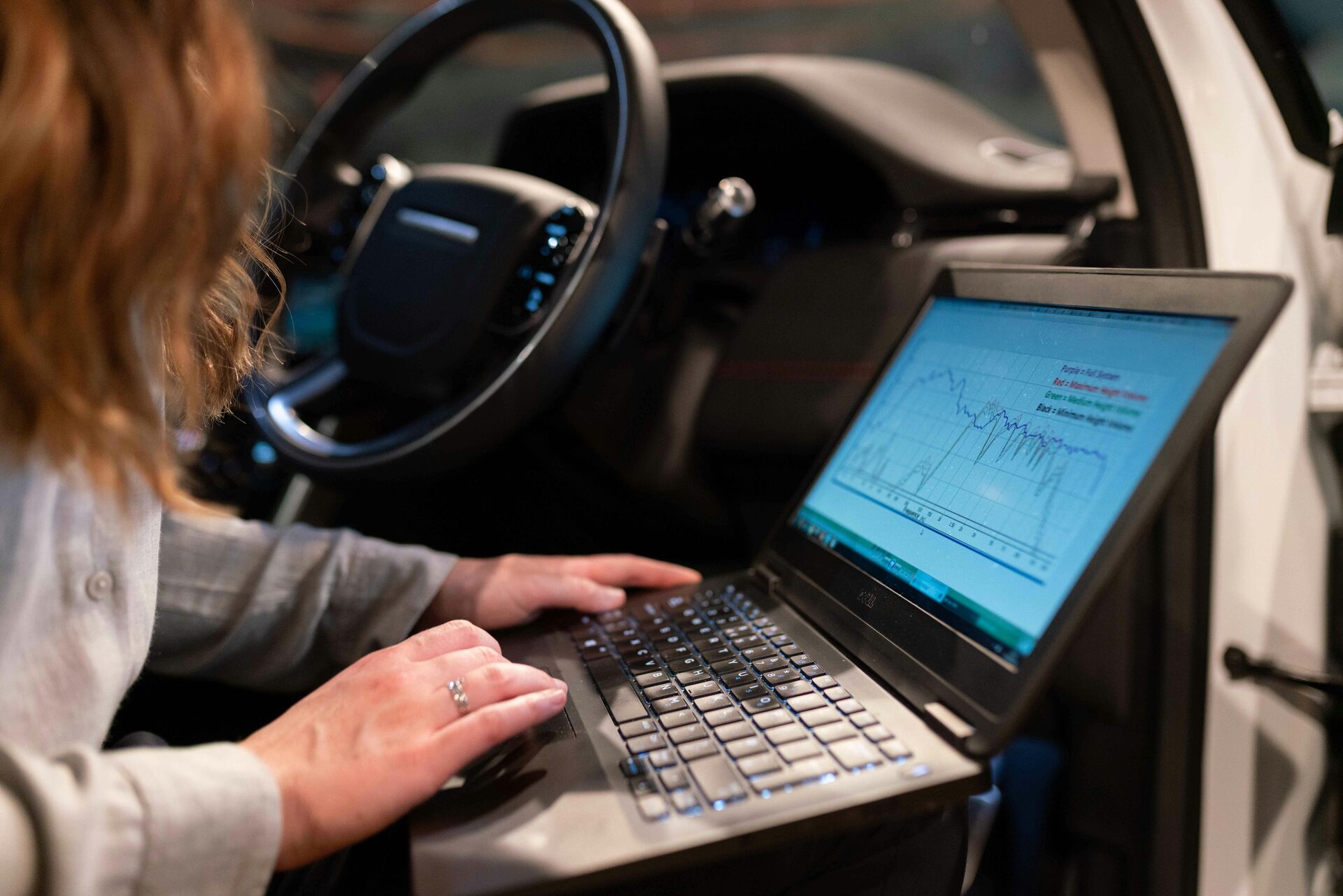
The increasing industrial use of applications with real-time processing capabilities such as autonomous driving, augmented reality, distributed management of smart grids or the control of unmanned aerial vehicles will make intensive use of processing power at the edge of existing communication networks. In other words, data will be processed close to its source and not in distant cloud data centers.
Edge computing has become a widely accepted concept over the last decade, encompassing both public commercial solutions and private customized solutions for specific requirements. However, potential users of applications with real-time quality of service requirements often lack appropriate tools to either assess the suitability of public edge service offerings or to plan, design and build their own customized edge computing solution.
EMULATE aims to provide two platforms that should be an integral part of such a toolbox:
- An emulation platform that makes it possible to create a virtual copy of an existing physical environment, for example of infrastructures, applications and events. Various deployment scenarios for the respective real-time application can be tested within this emulated environment.
- A diagnostic platform that analyzes existing physical and emulated infrastructures and provides meaningful performance metrics to assess their suitability for defined application requirements. It is used to measure and analyze quality of service for time-critical edge applications.
The EMULATE project is part of the IPCEI-CIS (standing for Important Project of Common European Interest - Next Generation Cloud Infrastructure).
The aim is to create a genuine multi-provider cloud-edge continuum that guarantees the seamless use of cloud and edge services. This continuum will be positioned under the brand name 8ra ("ORA" = continuum).
Collaboration with industry partners
Both contributed platforms are extensively tested together with partners from different industry segments such as telecommunications, automotive and embedded electronic systems.
The implementation and testing of these tools for the effective and efficient management of an edge service involves cutting-edge research in a variety of topics:
- Modeling virtual computer systems and hypervisors, including graphics processing units, to accurately replicate their performance in emulated environments
- Analyzing different networking solutions for different environments in terms of their impact on the end-to-end performance of edge services
- Definition of new measurement approaches for performance diagnostics in black box systems
- Application of artificial intelligence in the detection of performance patterns to identify bottlenecks in end-to-end systems
- Identifying optimized resource allocation approaches for industrial and non-industrial applications
From research to application: spin-off initiatives
The EMULATE project explores the theoretical limits of the cloud edge continuum. In order to transfer these findings into practice, we have developed two technology stacks that specifically address the bottlenecks of modern IT infrastructures: Energy efficiency and sustainability.
1. powersave AI: energy-efficient autonomy
Focus: mobile robots, drones and edge devices
Autonomous systems are developing into mobile supercomputers. However, running complex AI models directly on the device ("on-device") puts a strain on the battery and leads to high heat generation. The hardware is often fully utilized, which jeopardizes compliance with service level agreements (SLOs).
Powersave AI is a dynamic offloading engine that decouples intelligent data processing from energy consumption.
- DNN partitioning: Our approach goes beyond simple data offloading. We intelligently partition neural networks (DNNs): Latency-critical layers run on the robot, compute-intensive layers are offloaded to the "near edge".
- SLO backup: The system monitors CPU/GPU saturation in real time. If there is a risk of overloading the on-board hardware, the computing load is seamlessly shifted to the network.
- The result: significant energy savings on the device, increased battery life and lower thermal load while maintaining the same performance.
2 GreenShift: Deep tech for sustainable digital transformation
Focus: Smart cities, data centers and sustainable IT
We close the transparency gap in the data center. With highly specialized AI and network expertise, we make sustainability measurable, controllable and profitable.
The challenge: the "black box" problem
Data centers are the backbone of digitalization, but are facing a historic regulatory shift. The new Energy Efficiency Act (EnEfG) and CSRD reporting obligations are bringing the environmental footprint of IT infrastructure into focus. The problem: until now, transparency has often ended at the "power socket". Tenants and operators rarely know exactly how much CO2 an individual workload or a specific rack causes.
Our mission: GreenShift
GreenShift is a lighthouse project at the SmartEdgeLab at Fachhochschule Dortmund. We are developing a software solution that transforms data centers from passive infrastructure providers into active partners in the sustainability transformation.
We combine academic research with market-oriented software development to drive the decarbonization of the IT industry.
What we do - Our technological focus areas
- AI-powered telemetry: Our experts develop Explainable AI (XAI) models that break down energy consumption and CO2 intensity down to the workload level - without interfering with hardware or user privacy.
- Compliance-as-a-Service: We transform complex regulatory requirements (PUE, ERF, Scope-3) into automated, audit-proof dashboards and APIs.
- Background infrastructure: With our in-depth network expertise, we ensure that our solutions are high-performance, secure and can be seamlessly integrated into existing enterprise environments.
Shaping the green transition together
GreenShift is more than just a research project - it is the technological answer to the most pressing questions of digital sustainability. We are working closely with industry partners, data center operators and political stakeholders to define the standard for the "green data center of the future".
Project details
The project is divided into six work packages, which will be completed by the end of 2026:
Work package 1: Edge emulation platform
Work package 2: Edge diagnostics platform
Work package 3: Edge QoS management and algorithms
Work package 4: Concept validation at infrastructure level
Work package 5: Concept validation at the application level
Work package 6: Dissemination
Project results
Publications
Contact & Team
Click here for an overview of our team.(Opens in a new tab)
You can also contact us directly at emulatefh-dortmundde .
Sponsor
The "EMULATE" project is funded by the Federal Ministry of Business Studies and Climate Protection on the basis of a resolution of the German Bundestag, financed by the European Union - NextGenerationEU.

Main page News & Publications Jobs Projects Team & Contact